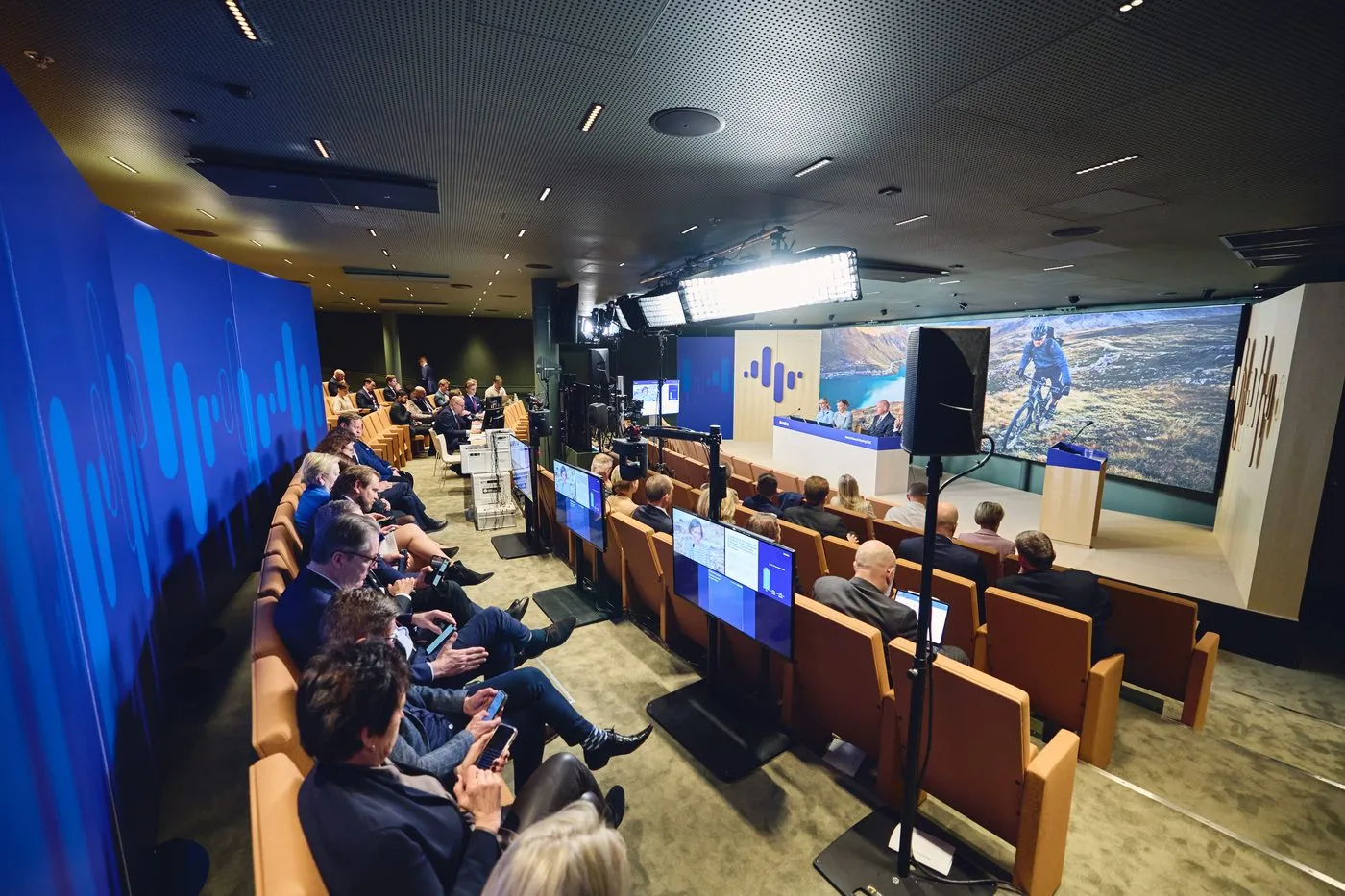
A few things happen when a triple-listed large cap with more than half a million shareholders organises an Annual General Meeting. None of them are simple. So what happens when that same entity moves to a fully virtual setting — and what should companies prepare for when taking the leap from congress venues to digital-only?
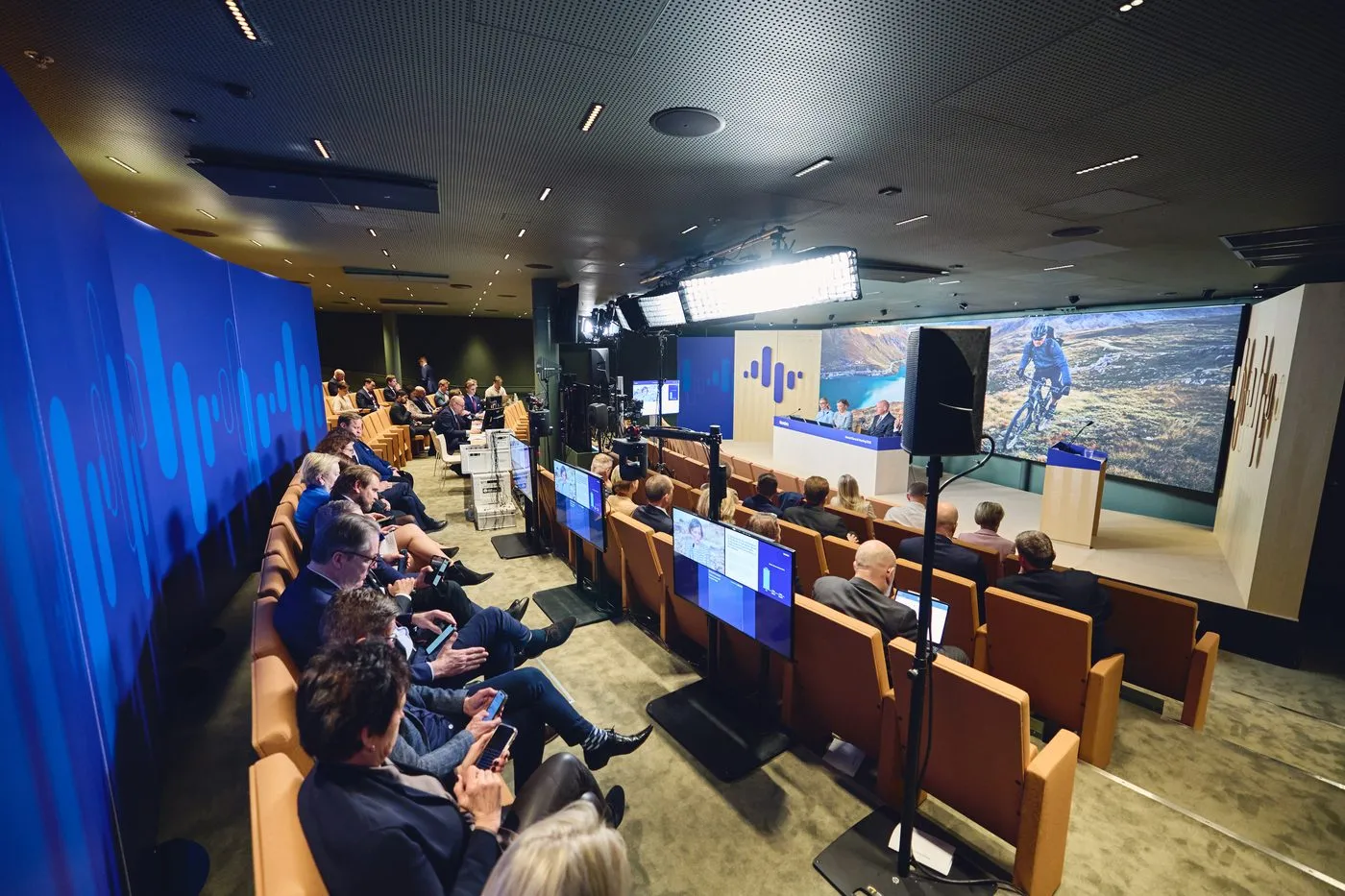
The largest bank in the Nordics, Nordea, made history — with Inderes’ help — by holding a fully virtual AGM in Finland. With that feat, they joined a small group of large caps worldwide to ever pull one off. To say the least, we’re talking about the frontiers of regulatory investor relations.
We sat down with the team behind the transition: Nordea’s Head of Corporate Advisory in Group Corporate Legal, Janni Hiltunen; Legal Counsel, Teemu Jokiharju; and Riikka Rannikko, partner at Hannes Snellman, who chaired the meeting itself — to get to the what, why, and how of a fully virtual AGM.
Nordea began exploring its options immediately after the previous year’s general meeting was adjourned. The formal decision, though, as Jokiharju points out, “was in fact made quite far along the process” — a sign of how much consideration goes into planning a meeting like this.
The what?
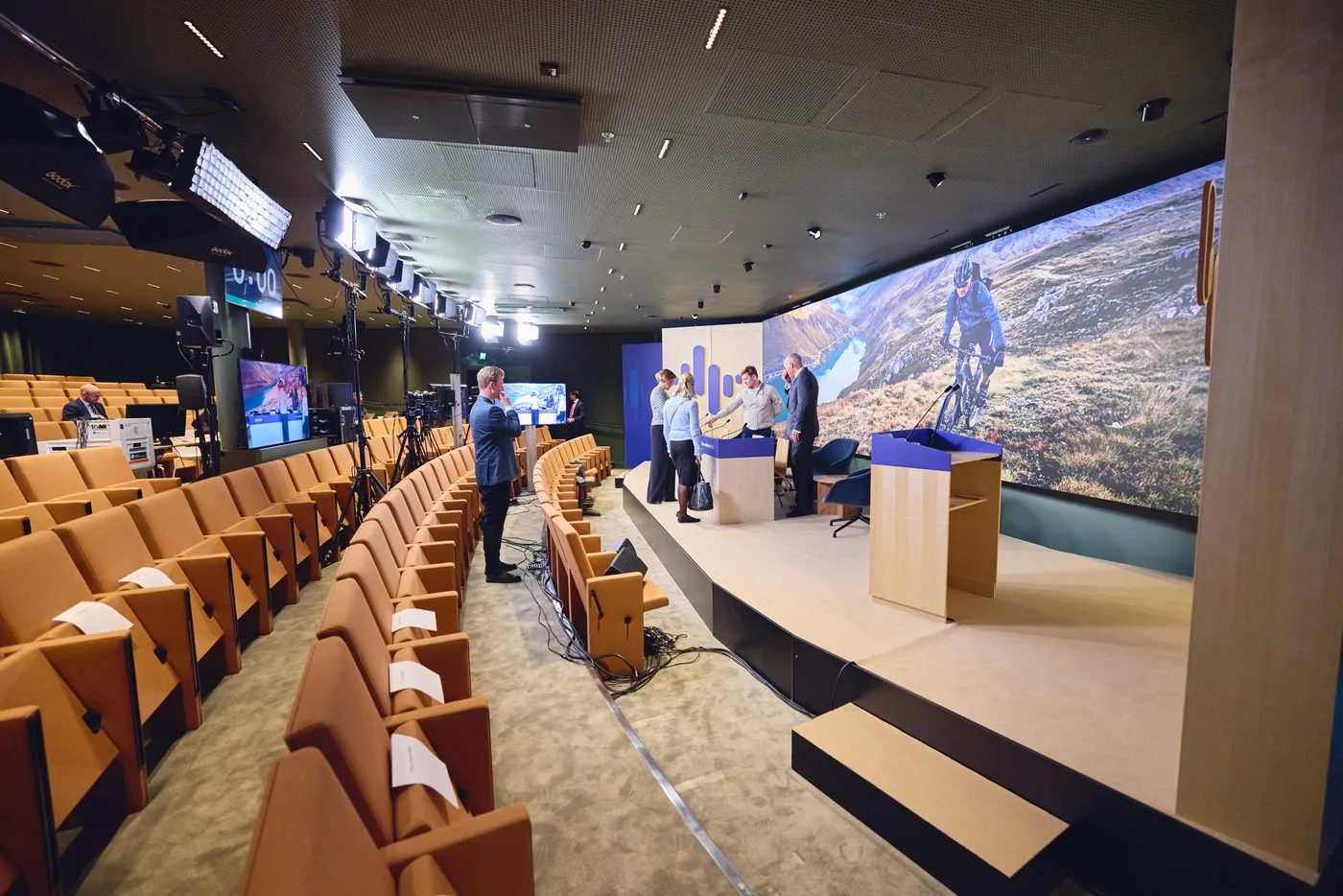
Generally put, a fully virtual AGM is an annual general meeting held solely by electronic means, enabling shareholders to participate, communicate, and vote remotely without attending a physical location. Shareholders attend through a secure online platform; the board, management, and chair attend from the studio or remotely from a private location; and all formal business — like approving financial statements, electing directors, and voting on resolutions — is conducted digitally. A virtual meeting must fulfil the same legal rights of shareholders as a physical one. The option to ask a question doesn’t disappear; it just changes shape.
That flexibility comes from removing physical space as a constraint. A traditional meeting is dominated by capacity and sightlines; a virtual AGM can run from a studio with officials present in person, partially remote, or scattered across locations entirely — easier to stage as much as easier to attend. Often, as in Nordea’s case, the official AGM runs on a separate stream from the pre- or after-programme, keeping the meeting concise and limiting how much a glitch could affect its legality, while still leaving room for a Q&A or other informal sessions around it.
The why?
The foundation of fully virtual meetings traces back to the first pandemic year when temporary laws allowed virtual meetings while physical gatherings were barred. What started as necessity became, for companies with an owner base or management spread geographically, a strategic asset: equal treatment of shareholders, better accessibility, lower cost, sustainability, freedom from disruption, a more controlled experience. Asked which mattered most, an audience of IR and legal professionals put equal treatment clearly in front, with accessibility and cost close behind.
For Nordea, that reason was equality. As Hiltunen states: “Our central driver was to enable all shareholders an equal opportunity to participate and engage in discussion at the AGM. When we hold a physical meeting in Finland, it effectively limits how our retail investors from Sweden and Denmark could attend in person.” Larger investors, she notes, simply have different resources to travel than retail investors do — a virtual format closes that gap.
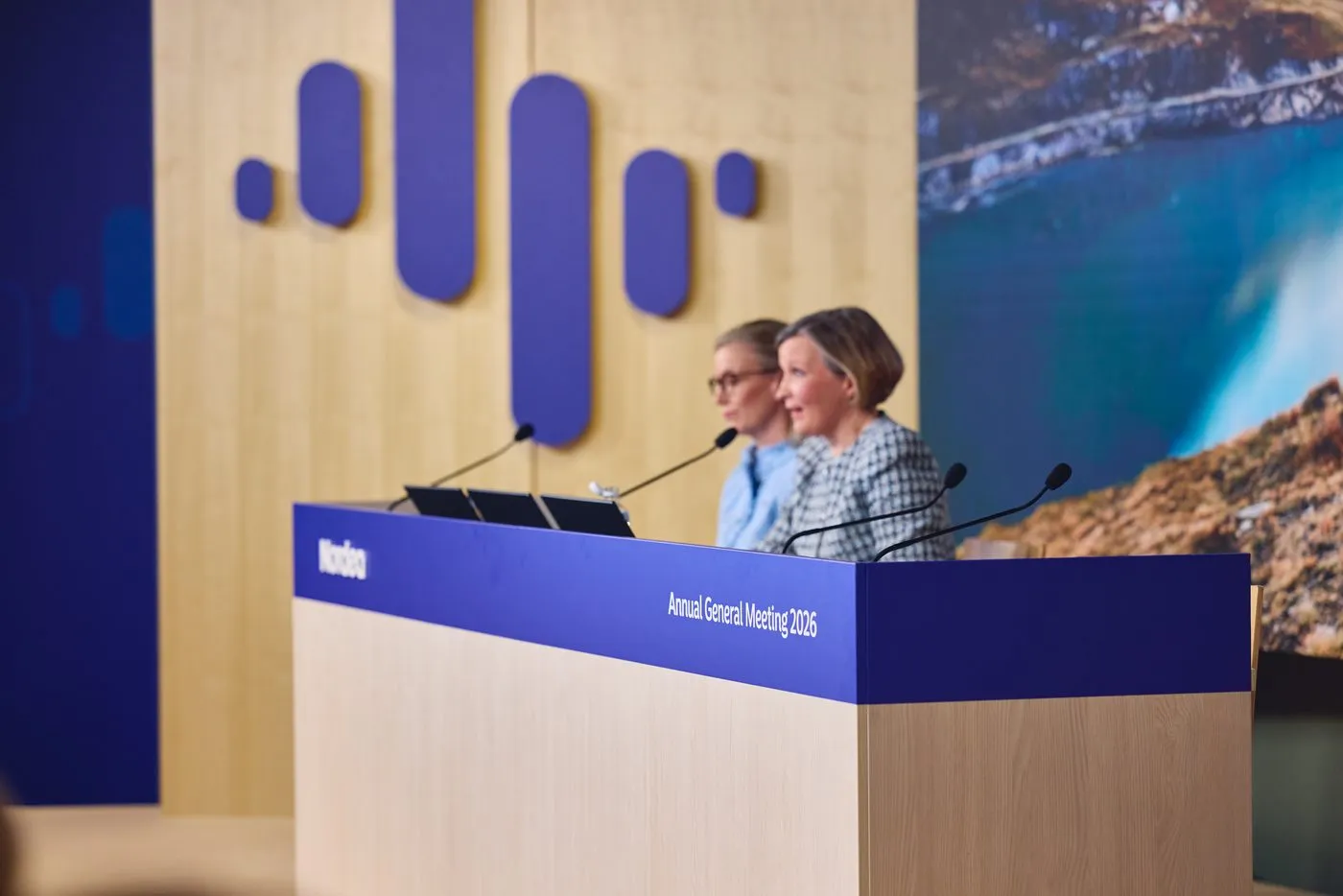
What has to give way is the subculture built around classic AGMs, where the pilgrimage to a meeting hall is as much about standing among fellow shareholders as affecting decisions. Rannikko, who chaired Nordea’s meeting from the studio, is direct about what the digital format costs the person running it: “You lose the ability to read the room. That’s usually the most important tool a chair has — sensing early on what mood the gathering is in, or who might be more critical.” In its place, a chair sees a list of names, a row of raised hands, and a backlog of unanswered questions running into the dozens at once.
That loss comes with a trade most chairs end up welcoming. Rannikko recalls a Swedish institutional investor who took the floor early, observing that shareholders couldn’t press a voting button the way they’re used to. A small moment that says something larger: voting culture differs sharply even within the Nordics. Sweden’s röstning tradition makes meetings there “noticeably more active and participatory,” a habit shaped by decades of in-room voice voting. A virtual format doesn’t erase those differences; it surfaces them, which is its own argument for getting explanatory material right well before the meeting opens.
Where to begin?
There’s no shortcut version of this. Jokiharju is candid that the process ran almost a full year, in two phases, before a single piece of the meeting itself was built. First came discovery — mapping what a virtual AGM could even look like, since there was barely any market precedent to lean on. In parallel came risk: “a very comprehensive risk assessment, looking at how a virtual AGM changes the risk profile of the process, what the residual risk looks like, and whether it’s acceptable.” That assessment formed the basis of the recommendation that went to leadership in the autumn — only after which the team received the mandate to begin concrete preparations.
From there, the work fans out: internally across legal, investor relations, and communications, with risk management and security looped in on specific points; externally with Inderes and Innovatics on production and Hannes Snellman on the legal side, under a steering committee with visibility up to the group executive leadership and board. Every document and process had to be reviewed through the lens of the new environment — and rewritten where needed, Jokiharju notes — “and on top of that there was a large stack of guidance that simply didn’t exist yet.”
Rannikko’s preparation as chair ran in parallel, anchored in historical data on the shareholder base and advance-vote patterns, and in a deliberately open team culture: “Every question we worked through — if there was uncertainty, or that slightly uneasy feeling about how something might go — we got it out in the open. We brainstormed together: do we have a solution? Does it hold up?”
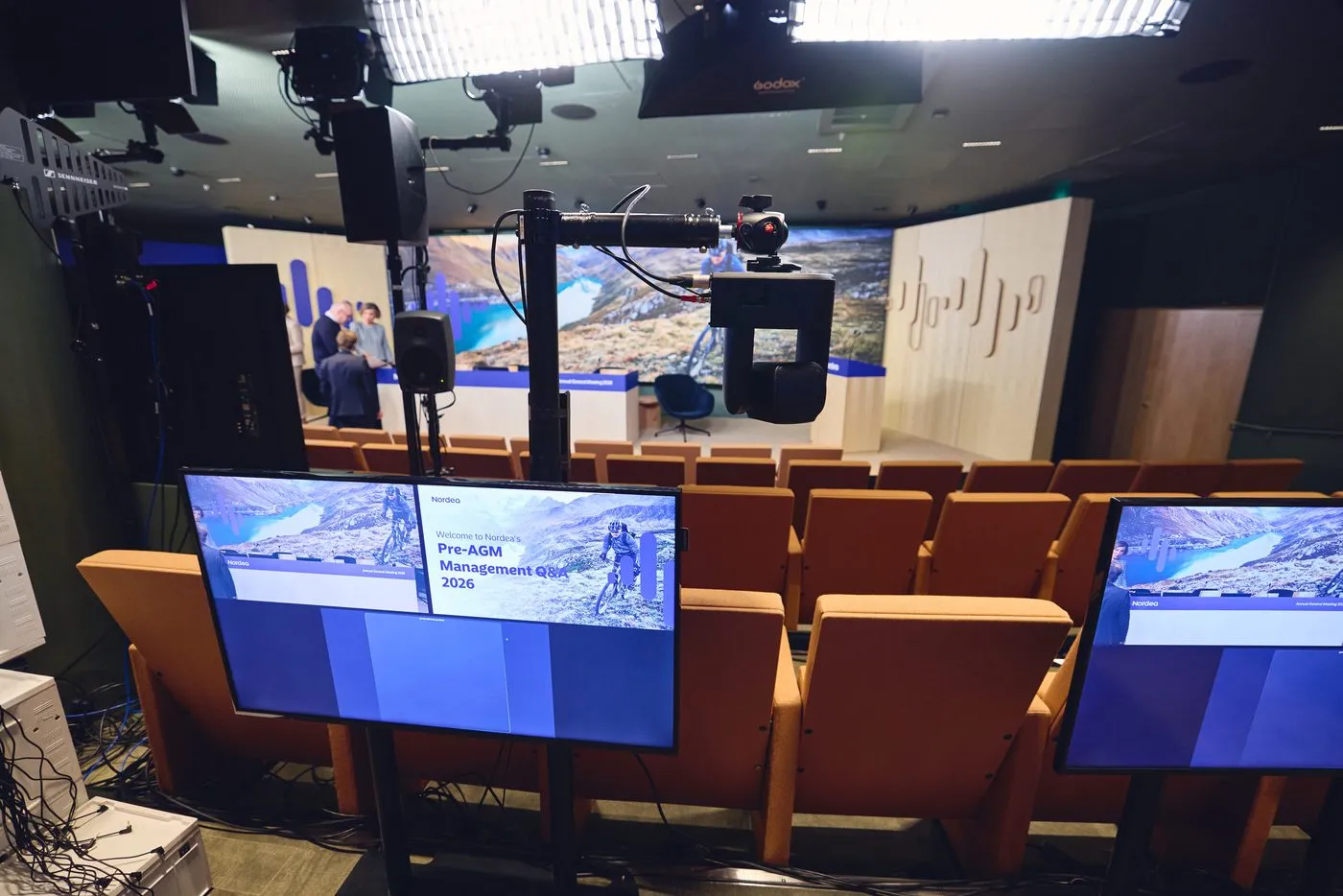
That culture earned its keep in rehearsal. Beyond the dress run, the team built a full stress test — participants from across the company, a board member, the group’s chief legal officer, every plausible and implausible scenario run through deliberately. For Rannikko it was the single most valuable thing the project did: it forced concrete decisions about how to handle different scenarios, and reshaped who controls microphones and speaking queues. “I knew from the start I didn’t want to be the one pressing the button,” she says — but exactly how many screens she could realistically track only became clear through testing.
Contingency planning closed the loop. The continuation-meeting process was disclosed in the notice itself, so shareholders weren’t left waiting on a separate announcement if there would be a technical problem. The team decided to have the chair’s election resolved through advance voting, “so the meeting gets underway without the very first vote potentially coming up on the spot” — and mapped where in the agenda an interruption would matter most, since a dividend resolution passed before or after a hypothetical cut could shift a payment date and trigger a disclosure obligation. None of this is really new, Jokiharju points out — a physical AGM is exposed to disruption too: a fire alarm can derail one just as a technical failure can derail a virtual meeting. The virtual format simply surfaces the same risk in an unfamiliar shape.
The view from the chair
There is still a gap between planning for a virtual AGM and actually sitting in the chair running one. From Jokiharju’s viewpoint, meeting day itself went more smoothly than he’d dared to expect, “but I wasn’t up on stage, so this is entirely my own vantage point. I’m sure it was more nerve-wracking for the people who were.”
Rannikko, who was up there, can confirm to a degree. In a physical meeting, the moment it opens and she can see the room and the advance-vote results, there’s usually a settling, readable feeling. That never quite arrived here. “A long exhale came out the moment the meeting was closed. You trust things will go well, but there’s still a knot in your stomach telling you to see it through to the end.” She also notes the board and management were present with her — “no physical audience” isn’t quite accurate — and is glad the more critical shareholder voices came through: “That’s a sign the meeting works. A good AGM is one where every kind of question gets to surface.”
The art of partnering
Ask Hiltunen what made the project work, and the answer isn’t a system or a clause; it’s communication. “None of this works if you can’t raise a technical risk early and actually talk through how the chair should handle it,” she says. “That was the key to the success.”
Rannikko locates the same trust somewhere more specific: in the willingness to let the stress test go all the way. The team simulated scenarios and behaviour far more disruptive and chaotic than anything that actually happened on the day. That gap is exactly what made the day itself feel survivable rather than merely planned-for. “When the lights are on and you just have to handle whatever comes at you, I trusted what we’d built. I felt safe stepping into it on those terms.”
That trust isn’t something a contract produces on its own. A service agreement establishes what’s owed, not the confidence a chair needs sitting in a studio with a live queue of questions and no room to read. But rehearsal didn’t create that confidence out of nothing, either. It pressure-tested a year of groundwork that came before it: a discovery phase that started from almost no precedent, a risk assessment rigorous enough to earn a mandate from leadership, documentation built from scratch because nothing like it existed yet. That was the slower, less visible work that made the meeting legally sound and institutionally credible in the first place — rehearsal just proved it could hold.
It’s worth remembering what Jokiharju pointed out at the start: there was barely a market precedent to work from when Nordea began. There is now. The next large cap weighing the same move won’t be starting from the same blank page — and neither, for that matter, will Nordea. As Hiltunen puts it, the company now has “a completely different experience” to draw on heading into next year, and will be asking the same question all over again: not whether a virtual AGM can work, but what to build differently now that they know it does. That’s the real measure of a first attempt at something historic: not that it went smoothly, but that it leaves behind a path to follow.
